Naturescaping

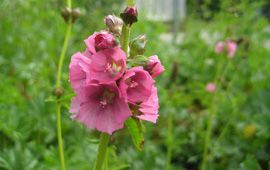
Naturescaping is beauty and function. It is the practice of designing (or redesigning) a landscape so that it reduces water use, stormwater runoff, and pollution without sacrificing splendor. Plus, it saves you time, money, and energy – all while providing a beautiful habitat for birds, wildlife, and you. The practice focuses primarily on native plants, helping you to choose the best ones for your particular setting and needs. Native plants are recommended because they are adapted to our soil and climate so they need relatively little or no watering, fertilizing, or care once established.  They are also less susceptible to common garden pests and diseases, and they attract a variety of native birds and butterflies by providing food and shelter.

Attend a workshop

  • Print

Meet the Presenters

Kevin Horning, Workshop Presenter

nsp_kevin.JPGKevin has been a presenter for EMSWCD since November 2008. Kevin is a licensed landscape contruction professional, and brings extensive knowlege and skills in Horticulture and Ecology. He's gained from experiences working with local governments, organizations, and landscape businesses including Portland Parks and Recreation, Berry Botanic Garden, and The Nature Conservancy.

Kevin shares a bit more: "I have spent a lot of time outdoors, helping people create and maintain beautiful landscapes that attract wildlife while conserving resources. The really fun part is working with the plants, and I find there's always something new to learn!"


Mary Jaron Kelley, Workshop Presenter

nsp_mary.jpgMary has been with EMSWCD since 1996 teaching Basic Naturescaping, Site Planning and Native Plants workshops. Mary has educational degrees in sociology and landscape architecture. Her experience as a landscape designer enables her to focus on residential concerns in regard to site planning and design, sustainable storm water measures and native plant and wildlife habitat.


Lora Price, Workshop Presenter

nsp_lora.jpgLora has been presenting workshops for EMSWCD since February, 2009. Lora Price is a licensed landscape architect and garden designer specializing in edible and native inspired landscapes. Lora is a graduate of the U of O and has had a lengthy career managing the planning and development of trails and public facilities in National, State, Regional and City Parks and Open Space systems in California, Oregon and Washington. She has also managed numerous habitat restoration projects in riparian habitats, wetlands and woodlands. In addition to teaching Naturescaping and Rain Garden Design for EMSWCD, Lora also teaches environmental education at Zenger Farm and serves on the Board of Friends of Portland Community Gardens. Her latest fun endeavors include raising some very spoiled and entertaining backyard chickens and delving deep into permaculture design at PSU.


Amy Whitworth, Workshop Presenter

nsp_amy.jpgAmy has been presenting workshops for EMSWCD since February, 2009. She is a garden designer and owner of Plan-it Earth Design. She has been crafting earth friendly gardens for over 15 years. Her background combines horticulture and fine arts. She has received awards for her educational and habitat gardens, and also teaches classes at the Berry Botanic Garden, Audubon Society of Portland and elsewhere. Amy has received her certification for stormwater training from the City of Portland.

  • Print

About the Program

Naturescaping is a program developed to provide home and business owners with free education and technical information about the advantages and how-to of naturescaping. The program is made possible through the collaboration of the East Multnomah Soil and Water Conservation District, the City of Portland Environmental Services Division, and other local sponsoring groups.
  • Print

Gathering Baseline Information Step-by-Step tutorial

Gathering Site Plan Baseline Information Step-by-Step tutorial shows how to use the Portland and Metro mapsites to get the baseline information about your property for use on your site plan.

Read more: Gathering Baseline Information Step-by-Step tutorial

  • Print

Naturescape in 8 Steps

Depending on the size of the area you are naturescaping and the hours you have available (or if you plan to hire the work out), you may want to do the project all at once or spread it out over a year to year and half or many years doing specific sections at a time. Spreading it out will give you more chance to become more intimately familiar with your yard and its microhabits, to remove more invasives and their resprouts, and will help spread the work load and cost.

Read more: Naturescape in 8 Steps

  • Print

Host a Workshop

A naturescaping workshop is a great way to get your neighbors involved in a community beautification project or assist a nearby school to create an environ-mental learning lab.  Hosting a workshop helps create more community in your neighborhood and wildlife habitat that doesn’t stop at property lines.

Read more: Host a Workshop